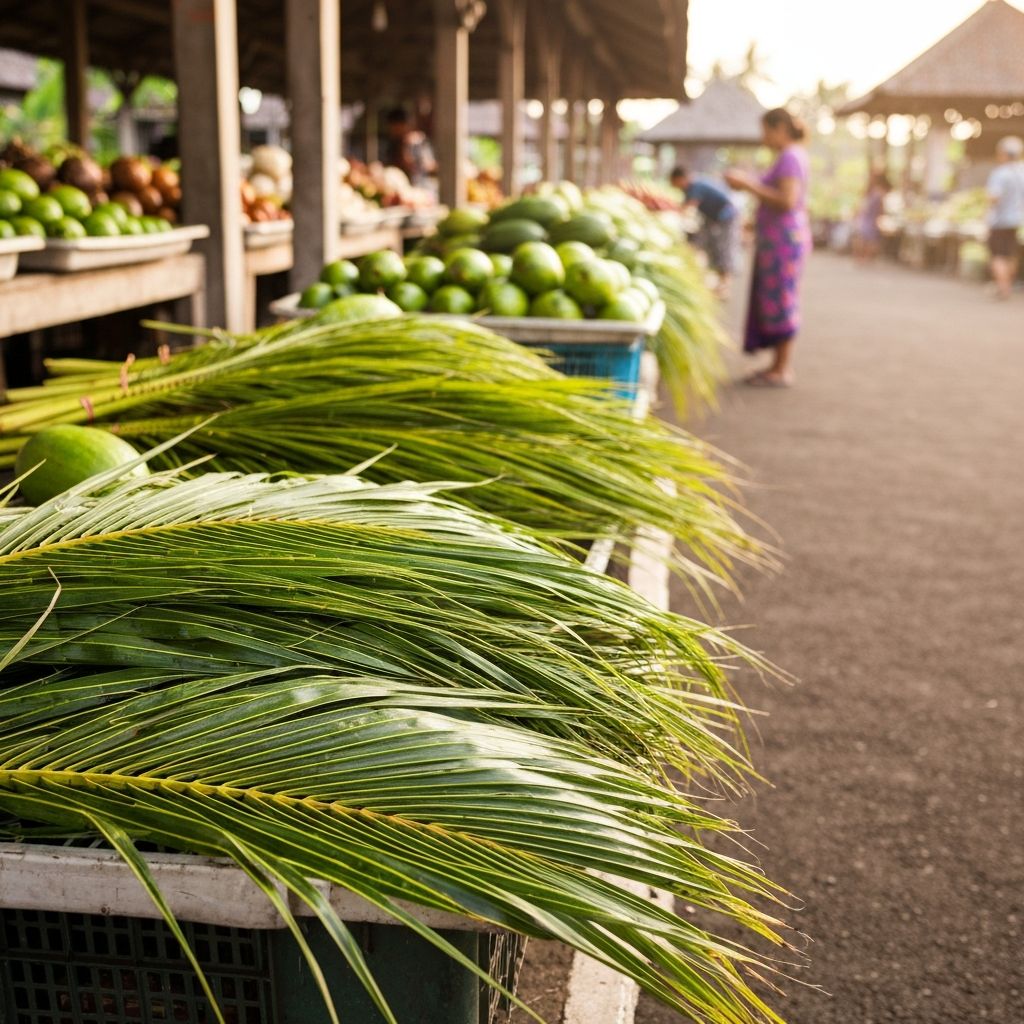
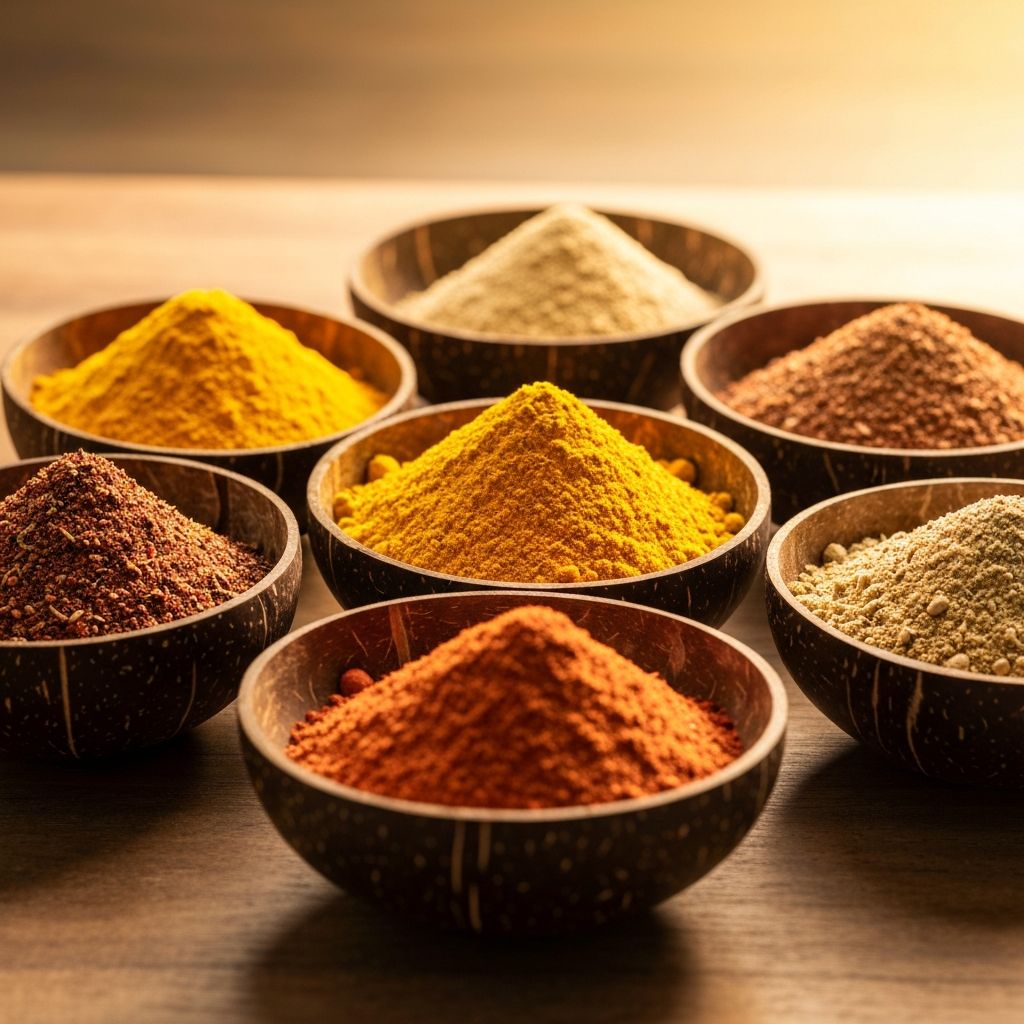
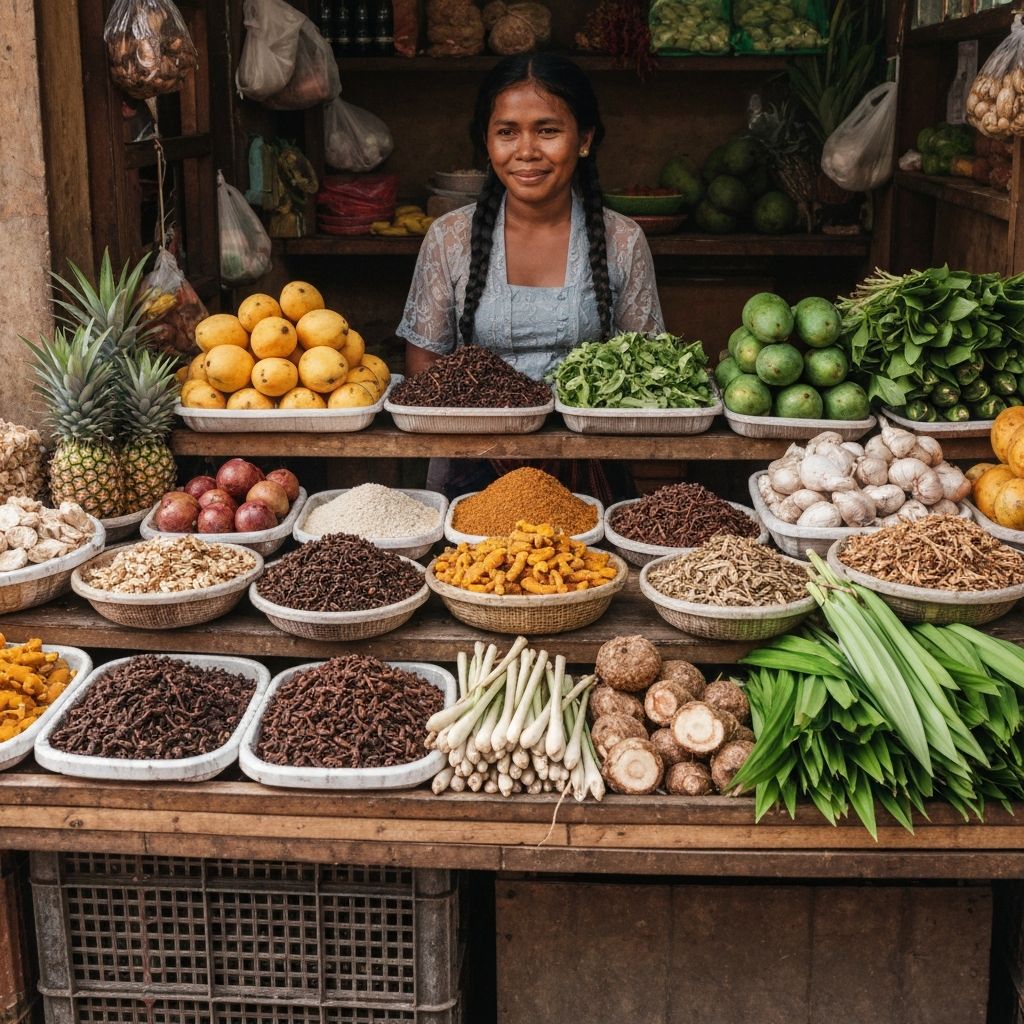
The tropical regions of the world have long been sources of diverse plant nutrients and natural compounds. These ingredients are found naturally in traditional island diets and have been part of everyday nutrition for generations of island communities.
Understanding how these natural compounds contribute to overall wellness and support everyday movement is an important aspect of nutritional science and botanical research. This resource provides educational information about these tropical sources and their role in diverse dietary approaches.
The compounds discussed here include glucosamine from sea and island sources, chondroitin from natural tropical foods, collagen peptides from marine origins, MSM found in plant-rich diets, and various herbal extracts traditionally used in island cuisine.
Role of Island Plants in Daily Movement
Island ecosystems produce a remarkable diversity of plants and botanical compounds. These natural sources have been integrated into traditional island diets for centuries, contributing to everyday nutrition and wellness approaches.
The connection between natural plant-based compounds and daily physical activity is a topic of ongoing nutritional research. Many traditional island communities incorporate these natural ingredients into their regular dietary practices as part of a holistic approach to wellness.
These compounds are found in everyday foods, traditional island recipes, and natural botanical preparations. Understanding their origins and presence in island environments helps contextualize their role in diverse dietary and lifestyle approaches.
The following natural compounds are sourced from tropical islands and have been studied as components of dietary approaches to everyday wellness:
Glucosamine - found naturally in sea and island food sources
Chondroitin - present in various tropical foods and traditional preparations
Collagen Peptides - derived from marine origins in tropical waters
MSM (Methylsulfonylmethane) - occurs naturally in plant-rich diets
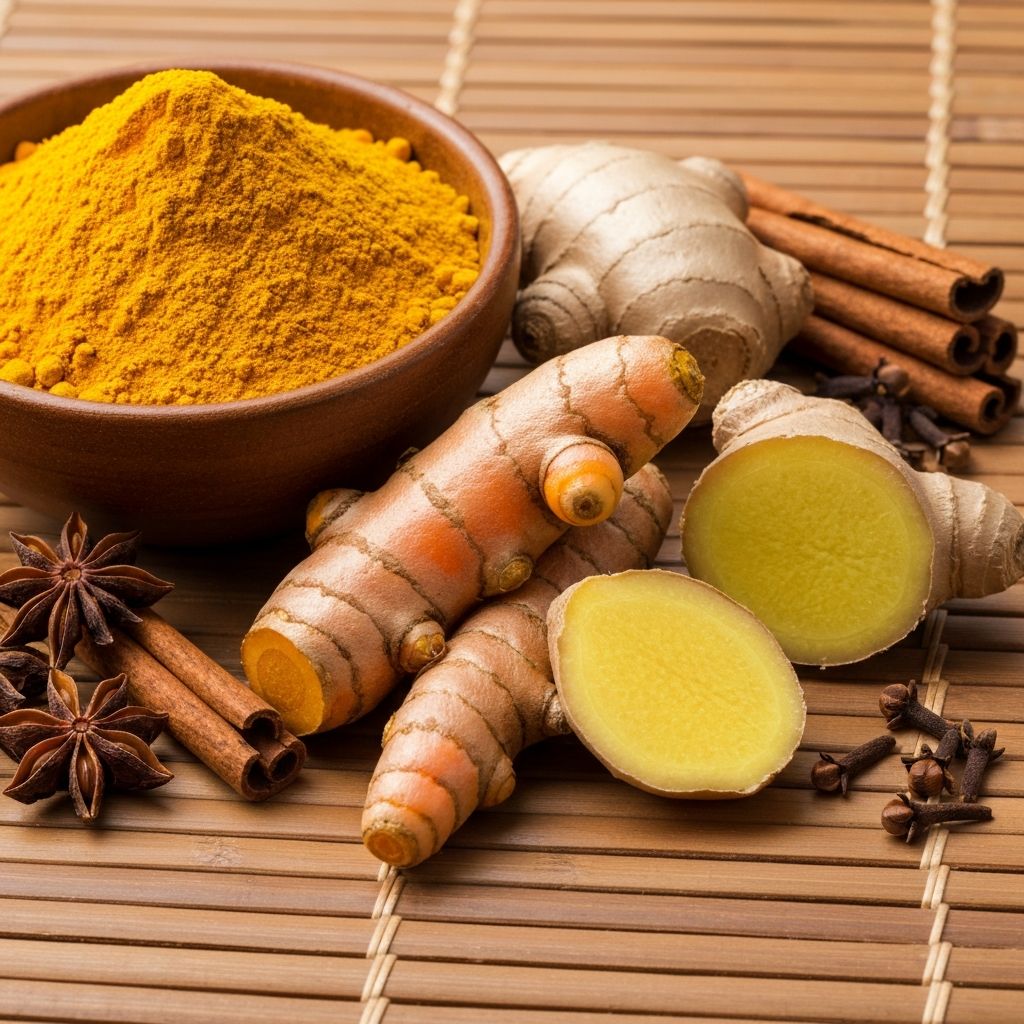
Curcumin - the active compound in turmeric, a traditional Balinese spice
Ginger, Tamarind, and Pandan - traditional island botanical extracts
Boswellia and other herbal sources from tropical regions
Glucosamine from Sea & Island Sources
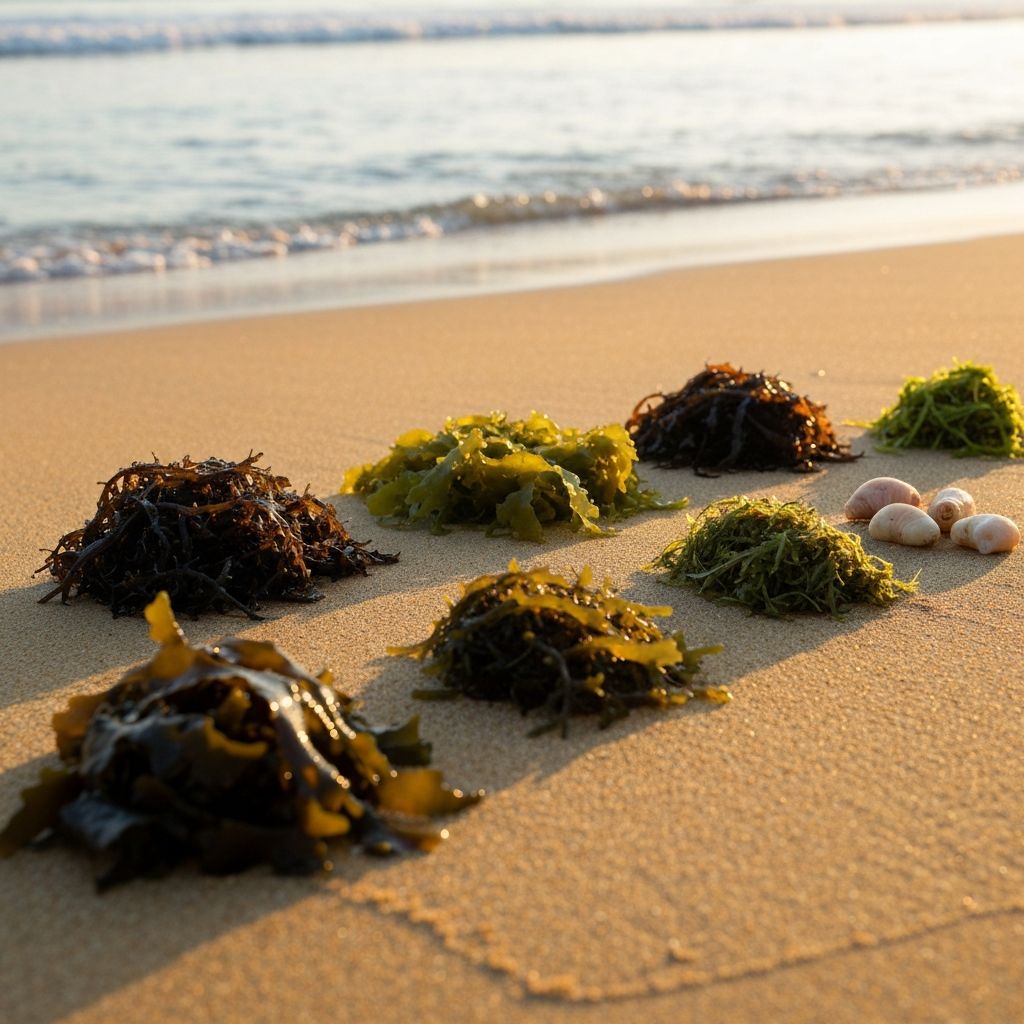
Glucosamine is a naturally occurring compound found in marine sources and island ecosystems. It is present in various sea-based foods consumed in traditional island diets. Scientific research examines glucosamine as a dietary component that may contribute to various aspects of joint structure and function.
In the context of everyday nutrition, glucosamine from natural marine and island sources represents one approach to dietary wellness. The bioavailability and absorption of naturally-sourced glucosamine is an ongoing area of nutritional science.
Chondroitin in Natural Tropical Foods
Chondroitin is a compound naturally present in various tropical foods and traditional island preparations. It occurs in both animal-based and plant-derived food sources common to island diets. The presence of chondroitin in everyday foods makes it a natural component of diverse nutritional approaches.
Understanding where chondroitin comes from in traditional island cuisine helps contextualize its role in everyday nutrition. Research continues to examine the bioavailability and potential benefits of naturally-sourced dietary chondroitin.
Collagen Peptides from Marine Origins
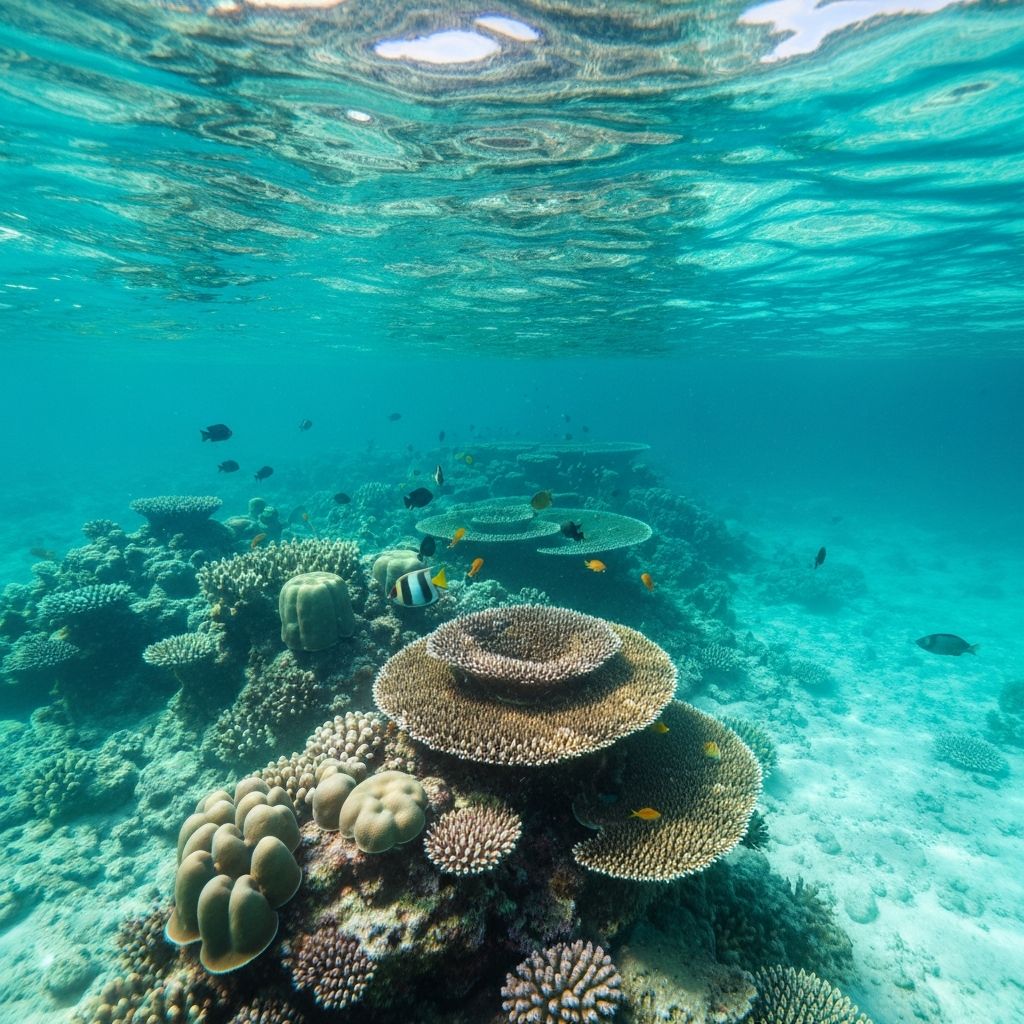
Collagen peptides are amino acid chains derived from marine collagen sources found in tropical waters. These peptides occur naturally in various sea-based foods that have been part of island diets for generations. Marine-derived collagen represents one of the primary sources for these compounds in natural island-based nutrition.
The tropical waters surrounding island regions are rich in marine life sources of collagen. These natural marine origins provide collagen peptides as a component of diverse dietary approaches to everyday wellness and movement support.
MSM in Plant-Rich Diets
MSM (Methylsulfonylmethane) is a naturally-occurring sulfur compound found in various plant sources. It is present in fruits, vegetables, and other botanical foods that are staple components of plant-rich diets, particularly in tropical regions. The concentration of MSM varies across different plant sources and growing conditions.
In the context of island nutrition, MSM represents one compound among many naturally present in diverse plant foods. Understanding the distribution of MSM across various food sources helps contextualize its role in everyday dietary practices focused on whole foods and botanical ingredients.
Curcumin from Balinese Turmeric
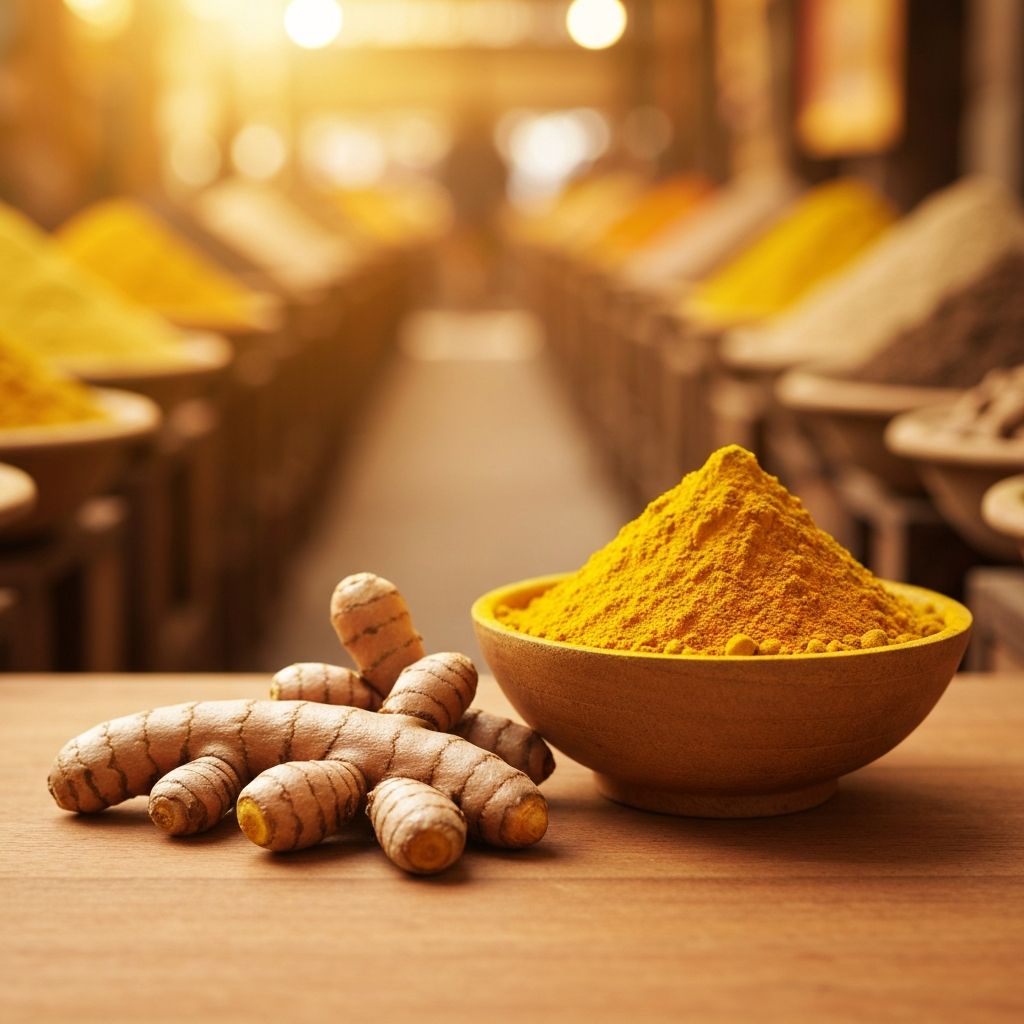
Curcumin is the primary active compound in turmeric, a spice widely used in Balinese cooking and traditional island cuisine. Bali's tropical climate creates ideal growing conditions for turmeric cultivation, making it a locally-sourced ingredient in everyday island meals. The concentration of curcumin in turmeric varies based on growing conditions, soil composition, and harvesting practices.
Turmeric has been used in traditional island cooking for centuries, serving both as a culinary ingredient and as a component of traditional preparation methods. Understanding curcumin's presence in everyday Balinese cuisine provides context for its role in dietary wellness approaches rooted in island traditions.
Ginger, Tamarind, Pandan Extracts Info
Beyond the compounds mentioned above, tropical islands provide additional botanical extracts and herbal ingredients used in traditional cuisine and wellness practices:
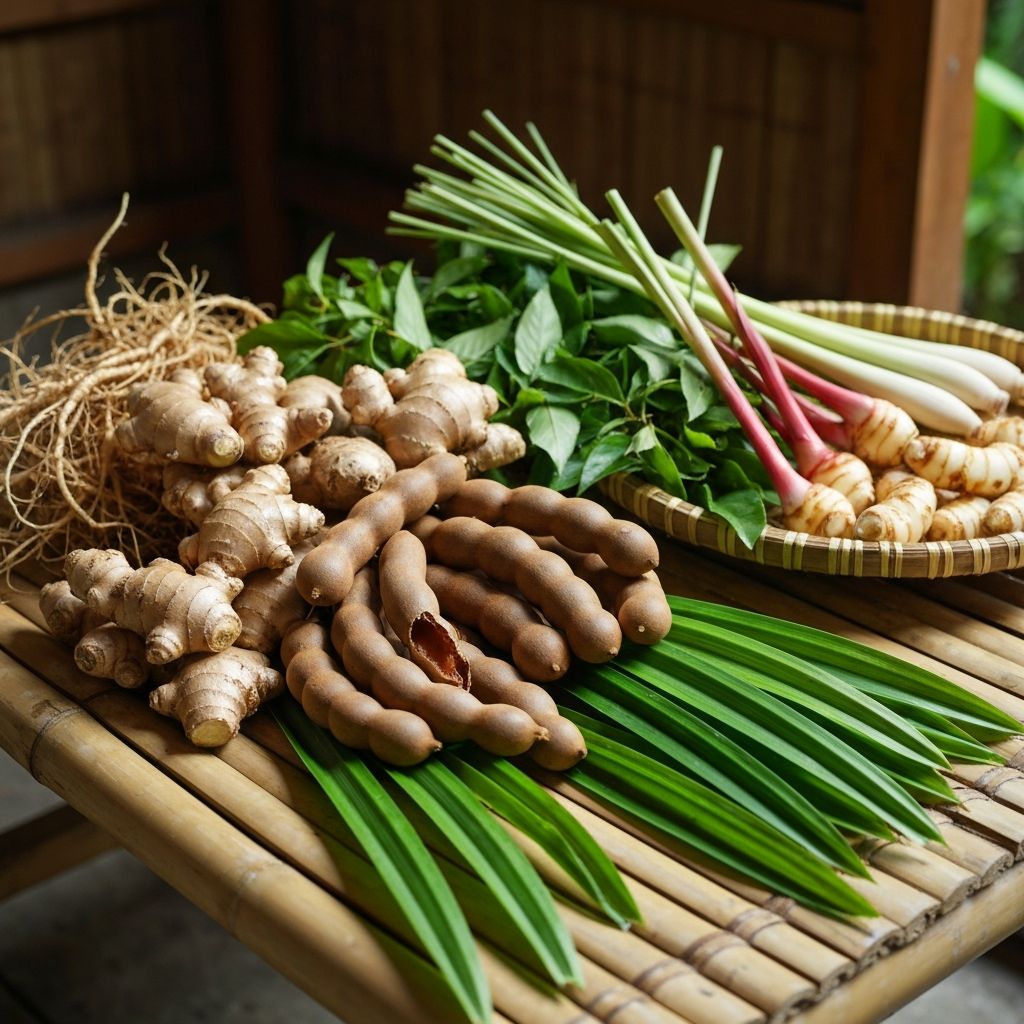
Ginger - A warming botanical root widely used in island cooking and traditional preparations
Tamarind - A tropical fruit providing natural acids and compounds used in traditional recipes
Pandan - Aromatic tropical leaves used in island cuisine and traditional preparations
Boswellia - A traditional herbal extract from tropical botanical sources
Other island botanicals - Various additional herbs and plants used in traditional island wellness approaches
Tropical Island Compounds for Men and Women
The following represent categories of tropical island-sourced natural compounds that support everyday movement and mobility. These compounds come from diverse island sources and are incorporated into various dietary and wellness approaches:
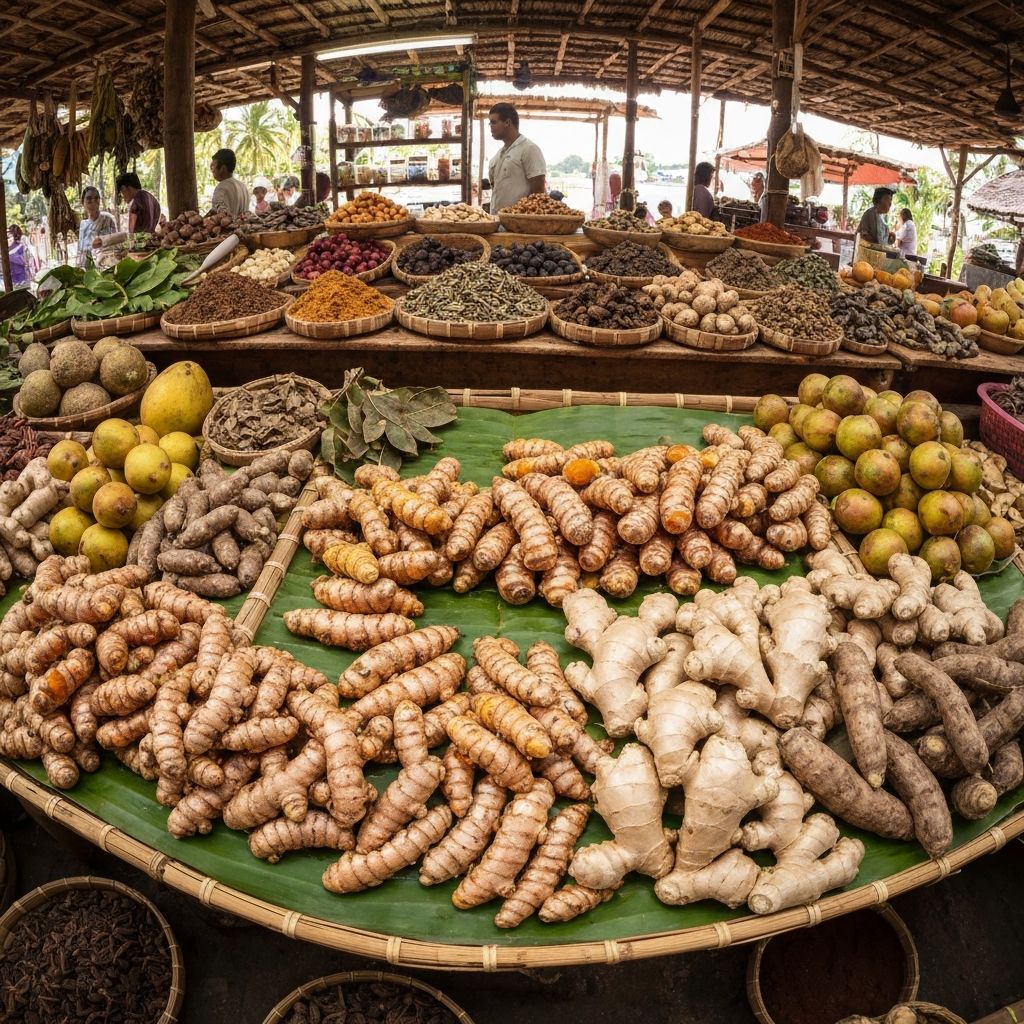
Root & Spice Sources
Fresh tropical roots including turmeric, ginger, and other botanical sources traditionally used in island cuisine and wellness practices.
Tropical island plant nutrients are naturally occurring compounds found in plants, spices, and botanical sources native to tropical island regions like Bali. These include compounds such as curcumin from turmeric, gingerol from ginger, and various plant-derived minerals and phytonutrients. They have been part of traditional island diets for generations and are studied in nutritional science as components of diverse dietary approaches.
How are these compounds sourced from islands?+
These compounds come from various sources: marine sources provide glucosamine and collagen peptides; plant-based sources in tropical soil provide MSM and other minerals; traditional spice cultivation on islands yields curcumin-rich turmeric and other herbal extracts. The tropical climate and soil composition of island regions create optimal growing conditions for these botanical sources, and they are harvested, processed, and prepared according to traditional island methods.
What is the difference between these compounds and medicinal products?+
This educational resource discusses tropical compounds as nutritional components and dietary ingredients, not as medicinal products or treatments. These compounds are naturally present in food sources and are discussed in the context of everyday nutrition and dietary diversity. They are not presented as medicines, cures, or therapeutic agents, but rather as natural food components that have been part of traditional island diets. Any questions about health applications should be directed to qualified healthcare professionals.
Are these compounds suitable for both men and women?+
Tropical plant nutrients are natural food compounds found in botanical sources consumed by both men and women across traditional island communities. As naturally-occurring dietary components, they are incorporated into diverse nutrition approaches for all individuals. However, individual dietary needs and responses vary, and personal considerations should be discussed with healthcare professionals or qualified nutritionists before making dietary changes.
Where can these ingredients be found?+
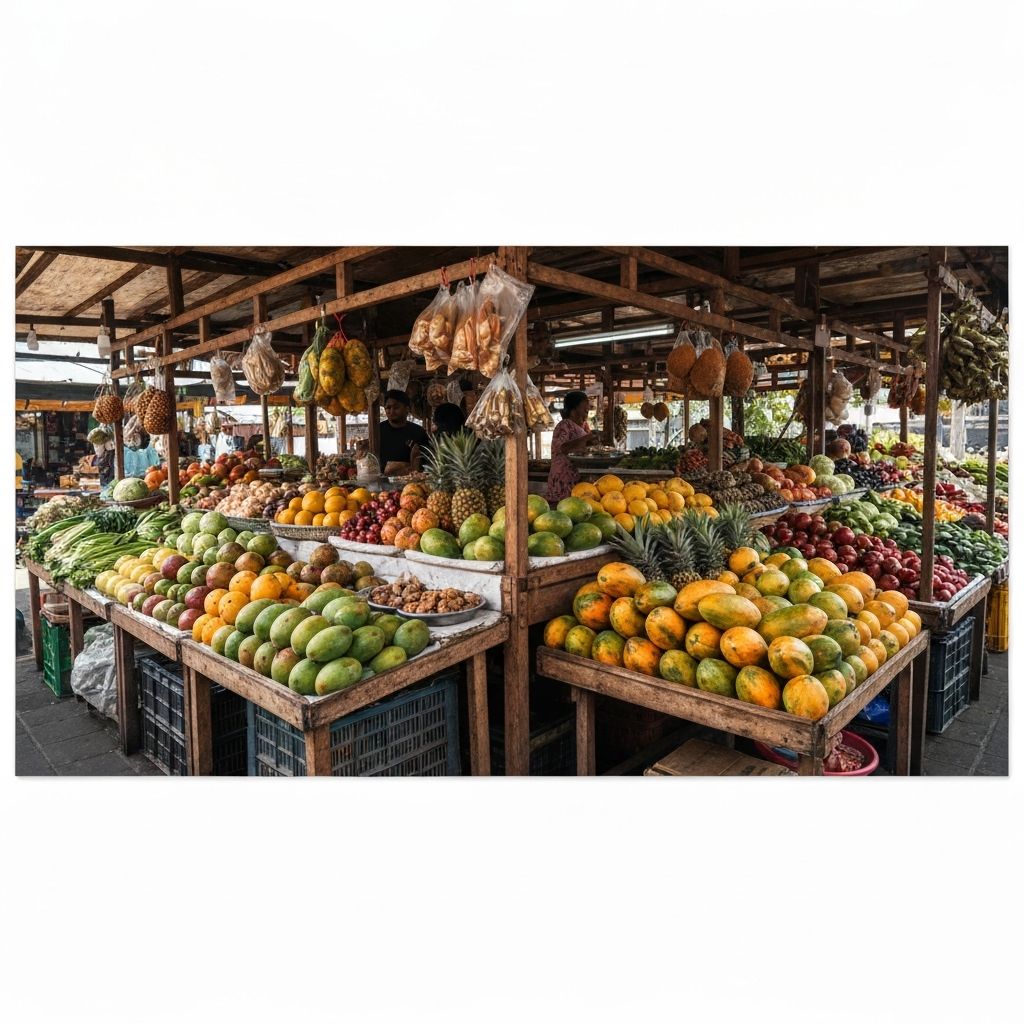
Many of these tropical compounds are available in traditional island markets, particularly in Bali and other tropical regions. They are also available in various natural food stores, online botanical retailers, and as components of diverse food products. Traditional island sources include local markets, traditional food suppliers, and agricultural cooperatives that maintain connections to island botanical sources and traditional preparation methods.
What should I know about dietary diversity?+
Dietary diversity is important for comprehensive nutrition. These tropical compounds are components of broader dietary approaches that should include varied fruits, vegetables, whole grains, proteins, and other essential foods. No single ingredient or compound serves as a complete nutritional solution, and a balanced approach incorporating diverse foods from multiple sources is fundamental to healthy nutrition. Individual dietary needs vary based on age, activity level, existing health conditions, and other personal factors.
Important Context & Limitations
Educational Purpose: This website provides educational information about tropical island plant nutrients and natural compounds. It is not a substitute for professional medical advice, diagnosis, or treatment.
No Individual Recommendations: The information presented here is for general educational purposes only and does not constitute personalized dietary or health recommendations. Each individual has unique nutritional needs, health considerations, and dietary requirements.
Diverse Approaches: While these compounds are part of traditional island diets and diverse nutritional approaches, there are many different dietary philosophies and individual preferences. What works in one dietary approach may not be suitable for another.
Professional Consultation: Before making any significant dietary changes or incorporating new compounds into your diet, consult with qualified healthcare professionals, registered dietitians, or nutrition specialists who understand your individual health situation and needs.
Individual Variation: Individual responses to dietary components vary significantly. Factors such as age, activity level, existing health conditions, medications, and personal circumstances all influence dietary suitability and effectiveness.
Not a medicinal product. Consult a healthcare professional before use.
Gentle Invitation to Explore Further
If you are interested in learning more about tropical island plant nutrients and natural compounds supporting everyday movement and wellness, we invite you to explore the resources available on this site. Whether you are curious about the botanical origins of these compounds, their role in traditional island cuisine, or their place in diverse dietary approaches, there is much to discover about the natural world's offerings.
Feel free to browse the detailed information about specific compounds, visit the contact section to reach out with questions, or explore the educational resources provided throughout this site. We encourage thoughtful, informed exploration of these fascinating natural ingredients and their significance in both traditional island cultures and contemporary nutritional science.
Have questions about tropical island plant nutrients or would like more information? We'd love to hear from you. Please fill out the form below and we will get back to you as soon as possible.
Only essential cookies required for basic site functionality are used.
Privacy Policy
Last Updated: February 2026
Introduction
BaliMotionHub is committed to protecting your privacy. This Privacy Policy explains how we collect, use, and safeguard your information when you visit our website.
Information We Collect
We collect information you voluntarily provide through our contact form, including:
Name
Email address
Any messages or information you choose to share
How We Use Your Information
The information you provide through our contact form is used exclusively to:
Respond to your inquiries
Communicate with you about your questions or messages
Improve our website and services
Data Security
We take reasonable measures to protect your personal information from unauthorized access, alteration, and destruction. However, no method of transmission over the Internet is 100% secure, and we cannot guarantee absolute security.
Cookies
Our website uses only essential cookies necessary for basic site functionality. Essential cookies do not require explicit consent and are used to enable core features such as security and accessibility.
Third-Party Links
This website does not contain links to third-party services, and we are not responsible for the privacy practices of external websites.
Changes to This Policy
We reserve the right to modify this Privacy Policy at any time. Changes will be effective immediately upon posting to the website.
Contact Us
If you have questions about this Privacy Policy, please contact us at [email protected]
Terms of Service
Last Updated: February 2026
Agreement to Terms
By accessing and using this website, you accept and agree to be bound by the terms and provision of this agreement. If you do not agree to abide by the above, please do not use this service.
Use License
Permission is granted to temporarily download one copy of the materials (information or software) on BaliMotionHub's website for personal, non-commercial transitory viewing only. This is the grant of a license, not a transfer of title, and under this license you may not:
Modify or copy the materials
Use the materials for any commercial purpose or for any public display
Attempt to decompile or reverse engineer any software contained on the website
Remove any copyright or other proprietary notations from the materials
Transfer the materials to another person or "mirror" the materials on any other server
Disclaimer
The materials on BaliMotionHub's website are provided on an 'as is' basis. BaliMotionHub makes no warranties, expressed or implied, and hereby disclaims and negates all other warranties including, without limitation, implied warranties or conditions of merchantability, fitness for a particular purpose, or non-infringement of intellectual property or other violation of rights.
Limitations
In no event shall BaliMotionHub or its suppliers be liable for any damages (including, without limitation, damages for loss of data or profit, or due to business interruption) arising out of the use or inability to use the materials on BaliMotionHub's website.
Accuracy of Materials
The materials appearing on BaliMotionHub's website could include technical, typographical, or photographic errors. BaliMotionHub does not warrant that any of the materials on its website are accurate, complete, or current. BaliMotionHub may make changes to the materials contained on its website at any time without notice.
Links
BaliMotionHub has not reviewed all of the sites linked to its website and is not responsible for the contents of any such linked site. The inclusion of any link does not imply endorsement by BaliMotionHub of the site. Use of any such linked website is at the user's own risk.
Modifications
BaliMotionHub may revise these terms of service for its website at any time without notice. By using this website, you are agreeing to be bound by the then current version of these terms of service.
Governing Law
These terms and conditions are governed by and construed in accordance with the laws of Indonesia and you irrevocably submit to the exclusive jurisdiction of the courts located in Indonesia.
Cookie Policy
Last Updated: February 2026
What Are Cookies
Cookies are small files that are stored on your device (computer, tablet, mobile phone) when you visit a website. They are widely used in order to make websites work, or work more efficiently, as well as to provide information to the owners of the site.
How We Use Cookies
BaliMotionHub uses only essential cookies that are necessary for basic site functionality. These essential cookies:
Enable core features of the website such as security and accessibility
Allow the website to function properly
Do not track or identify personal browsing behavior
Essential Cookies
Essential cookies do not require your explicit consent. They are used only to enable the website to function correctly and securely. Without essential cookies, the website may not work properly.
Non-Essential Cookies
BaliMotionHub does not use non-essential cookies such as analytics cookies, advertising cookies, or behavioral tracking cookies.
Cookie Consent
When you first visit BaliMotionHub, we display a cookie notice informing you that only essential cookies are used. By continuing to use the website, you acknowledge that essential cookies are in use.
Managing Cookies
You can control and manage cookies in your browser settings. Most browsers allow you to refuse cookies or alert you when cookies are being sent. Please note that if you disable essential cookies, the website may not function properly.
Changes to This Policy
We reserve the right to modify this Cookie Policy at any time. Changes will be effective immediately upon posting.
Health Disclaimer
Last Updated: February 2026
Educational Purpose
BaliMotionHub is an educational resource that provides information about tropical island plant nutrients and natural compounds. The information presented on this website is for educational purposes only and is not intended to provide medical advice, diagnosis, treatment, or cure for any health condition.
Not a Medical Product
The tropical compounds discussed on this website are not medicinal products, drugs, or pharmaceutical treatments. They are not FDA approved for any health claims, and this website makes no claims that these compounds can treat, cure, prevent, or mitigate any disease or health condition.
Consultation Required
Before using any dietary supplement, herbal product, or significantly changing your diet, you should consult with a qualified healthcare professional, registered dietitian, or medical practitioner. This is especially important if you:
Have any existing health conditions
Are taking prescription medications
Are pregnant or breastfeeding
Have allergies or sensitivities to particular substances
Are considering these compounds for specific health purposes
Individual Variation
Individual responses to dietary components vary widely based on genetics, health status, medications, lifestyle factors, and many other considerations. What may be appropriate for one person may not be suitable for another.
No Guarantee
BaliMotionHub makes no guarantees, warranties, or representations regarding the efficacy, safety, or suitability of the information provided. We do not promise any specific results or outcomes from using the compounds discussed.
Research Status
While some tropical compounds discussed on this website have been studied in scientific research, ongoing research continues. Scientific understanding evolves, and individual studies may show different results. This information is current as of February 2026 but may be updated as new research emerges.
Responsibility
Your use of any dietary information, supplements, or compounds discussed on this website is at your own risk. BaliMotionHub is not responsible for any adverse effects, allergic reactions, or negative outcomes that may result from the use of any information or products discussed on this website.
Professional Advice
This website is not a substitute for professional medical advice. Always seek the guidance of a qualified healthcare provider with any questions you may have regarding your health or a medical condition. Do not disregard professional medical advice or delay seeking treatment based on information from this website.
Regulatory Information
The tropical compounds discussed on this website are not evaluated, approved, or regulated as medicines by any government agency. Dietary supplements operate under different regulatory frameworks than pharmaceutical products.